
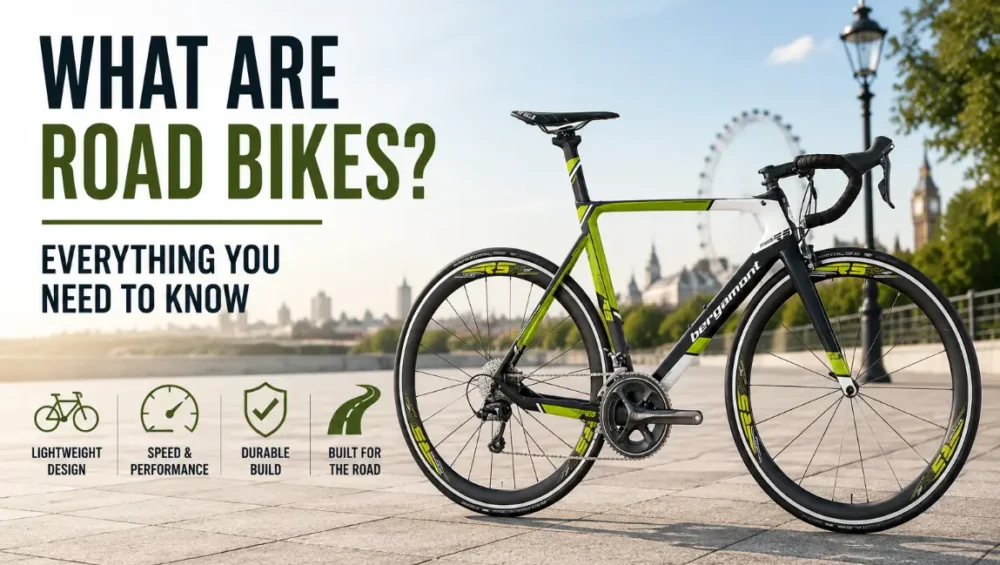
Road bikes are bicycles specifically designed for riding on paved roads, cycle lanes and other relatively smooth surfaces. They are built with lightweight frames, narrow tyres, efficient gearing and riding positions that help cyclists travel faster and more efficiently over longer distances.
Unlike mountain bikes, which are designed for rough off-road terrain, road bikes focus on speed, efficiency, distance and smooth handling. They are popular with commuters, fitness cyclists, recreational riders and people who enjoy long-distance road cycling.
If you’re considering buying your first road bike, understanding the different features and types can help you choose a model that suits your riding style and budget.
In this guide, we’ll explain what road bikes are, what they are used for, their key features, different types of road bikes, their benefits and how to choose the right road bike in the UK.
What Are Road Bikes Used For?
Road bikes are primarily designed for paved surfaces and efficient cycling. Their lightweight construction and narrow tyres make them particularly suitable for covering longer distances.
Common uses include:
- Road cycling
- Fitness riding
- Long-distance cycling
- Recreational rides
- Cycling events
- Daily commuting
- Training
- Touring on suitable paved routes
A road bike can be an excellent option if most of your cycling takes place on roads and you want a bicycle that feels fast and responsive.
However, road bikes aren’t designed for every type of terrain. Rough trails, deep mud, technical mountain tracks and challenging off-road routes are generally better suited to mountain bikes or other specialist bicycles.
What Makes Road Bikes Different?
Several features distinguish road bikes from other types of bicycles.
Lightweight Frame
Road bikes generally use lightweight frame designs to reduce unnecessary weight and improve efficiency.
Aluminium is commonly used in entry-level and mid-range bikes because it offers a useful balance of weight, durability and affordability. Higher-end models may use carbon fibre to reduce weight and improve vibration absorption.
The frame material is only one factor in determining how a bike rides. Geometry, components, wheels and correct sizing also have a significant impact.
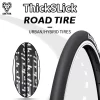
Narrow Tyres
Road bikes typically use narrower tyres than mountain or hybrid bikes.
Narrow road bike tyres are designed to provide efficient performance on paved surfaces. They can help reduce rolling resistance and contribute to the quick, responsive feeling associated with road cycling.
Tyre width varies across models, so riders should choose based on their intended use rather than assuming narrower is always better.
Drop Handlebars
One of the most recognisable features of a traditional road bike is its drop handlebars.
Drop bars provide several hand positions, allowing riders to change their position during longer rides. They can also support a more aerodynamic riding posture when appropriate.
Different cyclists may prefer different handlebar positions depending on comfort, flexibility and riding style.
Efficient Gearing
Road bikes are generally equipped with gearing designed for efficient riding across a range of speeds and gradients.
A suitable gear range allows riders to maintain a comfortable pedalling rhythm when travelling on flat roads or climbing hills.
When choosing a road bike, don’t focus only on the number of gears. Consider the actual gear range and whether it suits the terrain around you.
Responsive Handling
Road bikes are designed to feel responsive and efficient on paved surfaces.
Their geometry can provide precise steering and help experienced riders maintain control at higher speeds. Beginners may need some time to become familiar with the handling compared with a more upright hybrid bicycle.
What Are the Main Types of Road Bikes?
Road bikes come in different designs because cyclists have different goals.
Endurance Road Bikes
Endurance road bikes are designed with comfort and longer-distance riding in mind.
They generally provide a more relaxed riding position than aggressive performance-oriented road bikes. This makes them popular among recreational cyclists and riders who spend several hours in the saddle.
Race Road Bikes
Race road bikes prioritise speed, responsiveness and aerodynamic performance.
Their geometry may place the rider in a more aggressive position, making them better suited to experienced cyclists who prioritise performance.
Aero Road Bikes
Aero road bikes are designed to reduce aerodynamic drag.
They can be useful for riders who prioritise speed and performance, particularly during faster road cycling and competitive riding.
Touring Road Bikes
Some road-oriented bicycles are designed specifically for longer journeys and touring.
These models may prioritise stability, comfort, and the ability to carry equipment over maximum speed.
The right type depends on how you plan to use your bike.
What Are the Benefits of Road Bikes?
Road bikes offer several advantages for cyclists who primarily ride on paved surfaces.
Fast and Efficient
Their lightweight construction, narrow tyres and road-focused geometry make them efficient for travelling over paved surfaces.
This can make longer rides feel more manageable compared with using a heavier bicycle designed for off-road riding.
Excellent for Long-Distance Cycling
Road bikes are particularly popular for long-distance rides.
Their efficient design and multiple riding positions can make them suitable for cyclists who regularly spend extended periods on the road.
Great for Fitness
Cycling provides an effective way to incorporate physical activity into your routine.
Road bikes can be useful for fitness-focused riders who want to increase their cycling distance, improve endurance or spend more time riding outdoors.
Suitable for Commuting
A road bike can work well for commuting when the route is primarily paved.
However, commuters should consider practical requirements such as weather conditions, road surfaces, traffic, luggage and the ability to fit accessories.
Enjoyable for Recreational Riding
You don’t have to be a competitive cyclist to enjoy a road bike.
Many riders choose road bikes simply because they enjoy exploring local roads, countryside routes and longer weekend rides.
Are Road Bikes Good for Beginners?
Yes, road bikes can be suitable for beginners, but choosing the right model is important.
New riders should prioritise comfort, correct sizing and predictable handling rather than simply looking for the lightest or fastest bike.
A beginner-friendly road bike should provide:
- A comfortable riding position
- Suitable frame size
- Reliable brakes
- Appropriate gearing
- Quality tyres
- Comfortable contact points
- A frame that suits the rider’s intended use
If you’re completely new to cycling, it may take some time to become comfortable with drop handlebars and the more forward riding position.
Road Bike vs Mountain Bike: What’s the Difference?
The biggest difference is the type of terrain each bicycle is designed for.
| Feature | Road Bike | Mountain Bike |
|---|---|---|
| Main terrain | Paved roads | Off-road trails |
| Tyres | Narrower | Wider |
| Suspension | Usually none | Common on many models |
| Riding position | More forward | More upright |
| Weight | Generally lighter | Generally heavier |
| Main focus | Speed and efficiency | Grip, stability and control |
If you mainly ride on paved roads and want an efficient bike for distance, a road bike may be the better choice.
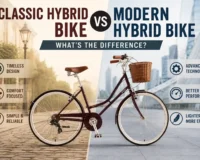
Road Bike vs Hybrid Bike
Road bikes and hybrid bikes can both be used for everyday cycling, but their designs are different.
A hybrid bike generally combines the characteristics of road, mountain, and city bikes. It often provides a more upright position and wider tyres.
A road bike prioritises speed and efficiency, while a hybrid bike usually focuses more on comfort, versatility and everyday practicality.
For fast road riding and longer paved routes, a road bike may be preferable. For mixed urban riding, cycle paths and occasional light gravel, a hybrid bike may offer greater versatility.
How to Choose the Right Road Bike
Choosing the right road bike depends on your body size, riding style, terrain and budget.
Choose the Correct Frame Size
Correct sizing is one of the most important considerations when buying a road bike.
A bike that is too large or too small can affect comfort, handling and pedalling efficiency.
Check the manufacturer’s size guide and consider your height and inseam measurements before purchasing.
Consider Your Riding Style
Think about what you actually want to do with the bike.
Are you planning to:
- Commute?
- Ride at weekends?
- Cycle long distances?
- Train for events?
- Improve fitness?
- Ride competitively?
Your answer can help determine whether an endurance, performance or more versatile road bike is appropriate.
Check the Gearing
Consider the terrain around your home.
If you regularly cycle on hills, you may benefit from gearing that provides easier climbing ratios. Riders on flatter routes may have different requirements.
Look at the Brakes
Reliable brakes are essential for every bicycle.
Road bikes may use rim brakes or disc brakes depending on the model.
Disc brakes can provide strong, consistent braking performance and can be particularly useful in varied weather conditions.
Consider Tyre Width
Tyre width affects comfort, grip and rolling characteristics.
Don’t automatically choose the narrowest tyres available. Consider your roads, riding conditions and personal comfort.
Set Your Budget
Road bikes are available across a wide range of prices.
When comparing bikes, look beyond the frame alone. Consider the quality of the drivetrain, wheels, brakes, tyres and other components.
A well-balanced bike that suits your needs can provide better value than simply choosing the most expensive option.
Road Bike Maintenance Tips
Regular maintenance helps keep your road bike safe and performing properly.
Check Tyre Pressure
Check tyre pressure regularly and use the pressure range recommended by the tyre manufacturer.
Correct pressure can improve handling, comfort and rolling performance.
Clean the Drivetrain
Dirt and grime can build up around the chain, cassette and other drivetrain components.
Regular cleaning can help maintain smooth shifting and reduce unnecessary wear on components.
Lubricate the Chain
A clean, properly lubricated chain helps the drivetrain operate smoothly.
Use a suitable bicycle chain lubricant and avoid applying excessive lubricant.
Check the Brakes
Inspect the brakes regularly and look for signs of wear.
If braking performance changes noticeably, have the bicycle inspected before continuing to ride.
Inspect the Tyres and Wheels
Check tyres for cuts, excessive wear or damage.
Also inspect the wheels for any obvious issues and ensure they remain securely fastened.
Are Road Bikes Good for UK Cycling?
Road bikes can be an excellent choice for cycling in the UK, particularly for riders who primarily ride on paved roads.
UK cyclists should consider the conditions they regularly encounter, including:
- Rain
- Uneven road surfaces
- Potholes
- Hills
- Traffic
- Cycle lanes
- Longer rural routes
Choosing suitable tyres, reliable brakes and appropriate gearing can help create a more practical riding setup.
If you regularly encounter poor road surfaces or want greater versatility, consider a road bike with suitable tyre clearance rather than choosing a model solely for minimum weight.
Why Choose a Road Bike from CT Bikes?
If you’re looking for road bikes in the UK, choosing a bicycle that matches your riding style and everyday requirements is essential.
At CT Bikes, you can explore cycling options designed for different riding preferences and requirements.
Before choosing a road bike, consider where you’ll ride, how far you’ll travel, how often you’ll cycle and which features are most important to you.
A properly sized bike with suitable gearing, reliable brakes and comfortable components can make a significant difference to your overall cycling experience.
Key Takeaways
- Road bikes are designed primarily for paved roads and efficient cycling.
- They typically feature lightweight frames, narrow tyres and drop handlebars.
- Road bikes are suitable for fitness, recreation, commuting and long-distance cycling.
- Endurance models prioritise comfort, while race and aero models focus more heavily on performance.
- Correct frame sizing is essential for comfort and control.
- Your riding style, terrain and budget should guide your purchase.
- Road bikes are generally better suited to paved roads than technical off-road trails.
- Regular maintenance of tyres, brakes, chain and drivetrain helps keep your bike reliable.
Conclusion
So, what are road bikes? They are bicycles specifically designed to make riding on paved surfaces efficient, comfortable and enjoyable.
Their lightweight construction, narrow tyres, efficient gearing and road-focused geometry make them particularly suitable for cyclists who want to travel longer distances or ride faster on paved routes.
Whether you’re a beginner looking for your first road bike, a commuter searching for an efficient way to travel, or an experienced cyclist preparing for longer rides, there are different road bike designs to suit different needs.
The most important thing is to choose a bike that matches your height, riding style, terrain, comfort requirements and budget.
If you’re ready to explore your options, visit CT Bikes and browse the available bicycles to find a model suited to your cycling goals.
FAQs About Road Bikes
What are road bikes used for?
Road bikes are primarily designed for paved roads and smooth surfaces. They are commonly used for commuting, fitness cycling, recreational rides, long-distance cycling, and road-based training.
Are road bikes good for beginners?
Yes, road bikes can be good for beginners. New riders should choose a correctly sized model with comfortable geometry, reliable brakes, and suitable gearing. An endurance-style road bike can be a good option for riders who prioritise comfort.
What is the difference between a road bike and a mountain bike?
A road bike is designed for speed and efficiency on paved surfaces, while a mountain bike is designed for off-road terrain. Mountain bikes typically have wider tyres, stronger off-road frames, and suspension systems, while road bikes are generally lighter and more streamlined.
Are road bikes good for long-distance cycling?
Yes. Road bikes are well-suited to long-distance cycling because their efficient design, road-focused geometry, and gearing can make covering longer paved routes more comfortable and efficient.
Can I use a road bike for commuting?
Yes. A road bike can be used for commuting, particularly when your route is mainly paved. Before choosing one for daily commuting, consider practical factors such as road conditions, weather, luggage, tyre choice, and compatibility with accessories.
Where can I buy road bikes in the UK?
You can explore road bikes in the UK at CT Bikes and choose a bicycle that suits your riding style, budget, and intended use. Before purchasing, check the bike’s frame size, gearing, brakes, tyres, and overall specifications to ensure it suits your requirements.