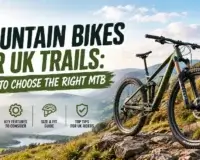

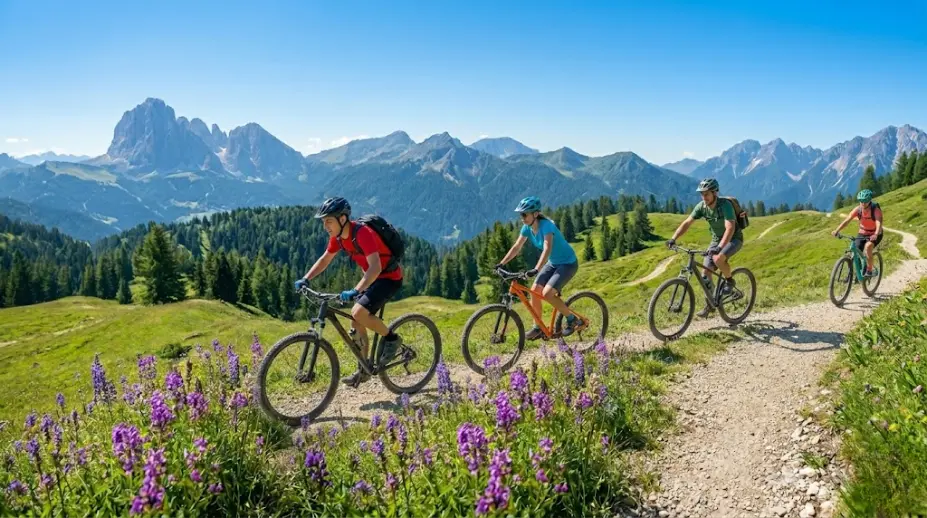
Buying your first mountain bike is exciting, but it can also feel confusing. There are hardtail mountain bikes, full suspension mountain bikes, trail bikes, and downhill mountain bikes, along with many different frame sizes, gears, brakes, tyres, and suspension options to compare.
What Is a Mountain Bike?
A mountain bike, often called an MTB, is a bicycle designed for rougher ground than a standard road bike or city bike. Mountain bikes usually have strong frames, wider tyres, lower gears, better grip, and suspension to make riding on uneven surfaces more comfortable.
They are ideal for forest paths, gravel tracks, local trails, muddy routes, hills, parks, and beginner-friendly off-road cycling. Many riders also use mountain bikes for everyday riding because they feel stable, strong, and comfortable.
For beginners, a mountain bike is a great choice because it can handle a variety of surfaces. You can ride on smooth paths, rougher tracks, light trails, and country routes without needing advanced cycling experience.
Why Mountain Bikes Are Great for Beginners
Mountain bikes are popular with new riders because they are versatile and confidence-building. A beginner mountain bike gives you more control than many narrow-tyred bikes, especially on uneven ground.
The wider tyres provide better grip, while the upright riding position helps you feel more stable. This makes mountain bikes suitable for riders who want comfort, safety, and control rather than speed alone.
A good MTB can help you enjoy:
- Fitness riding for building confidence and stamina
- Weekend cycling on local routes and easy trails
- Family bike rides on parks, paths, and countryside tracks
- Forest trails with better grip and control
- Gravel paths and uneven surfaces
- Local off-road routes for beginner-friendly adventure
- Everyday cycling with a stable and comfortable bike
- Beginner trail riding without needing an advanced setup
If you are new to cycling or returning after a long break, a mountain bike can be one of the easiest and most practical bikes to start with.
Types of Mountain Bikes for Beginners
Before buying your first MTB, it helps to understand the main types of mountain bikes and where each one fits. Use your riding style and terrain to decide which type is best for you.
| Mountain Bike Type | Best For | Beginner Friendly? | Main Benefit |
| Hardtail Mountain Bike | Light trails, gravel paths, parks, fitness riding | Yes | Affordable, simple, and easy to maintain |
| Full Suspension Mountain Bike | Rough trails, bumpy routes, technical terrain | Sometimes | More comfort and control |
| Trail Bike | Mixed off-road riding, forest trails, weekend adventures | Yes | Versatile all-round performance |
| Downhill Mountain Bike | Steep descents, bike parks, advanced riding | No | Built for aggressive downhill control |
| 26-Inch Mountain Bike | Casual riders, shorter adults, teenagers, easy handling | Yes | Responsive and often budget-friendly |
| Cheap Mountain Bike | Beginners on a budget, occasional riders | Yes, if chosen carefully | Lower cost and practical for starting out |
Hardtail Mountain Bike: Best First Choice for Most Beginners
For most new riders, a hardtail mountain bike is the best place to start. A hardtail mountain bike has front suspension but no rear suspension. This gives you comfort and control without making the bike too heavy, expensive, or complicated.
Hardtail mountain bikes are usually more affordable than full suspension mountain bikes. They also require less maintenance because there are fewer moving parts. This makes them a smart choice for beginners who want a reliable MTB for trail riding, fitness, and everyday cycling.
A hardtail mountain bike is ideal if you plan to ride on:
- Parks and smooth outdoor spaces
- Canal paths for relaxed everyday rides
- Gravel paths with better stability and grip
- Forest tracks and beginner-friendly routes
- Light trails without extreme technical sections
- Country roads and mixed surfaces
- Beginner MTB routes for learning basic skills
Hardtails are also efficient when pedalling uphill. Because there is no rear suspension moving under you, more of your pedalling power goes directly into the bike. This makes a hardtail MTB practical for riders who want a simple, low-maintenance mountain bike.
If you are buying your first mountain bike and are unsure where to begin, a hardtail mountain bike is usually the safest and most sensible option.
Full Suspension Mountain Bike: Do Beginners Need One?
A full suspension mountain bike has suspension at both the front and rear. This means it can absorb more bumps, roots, rocks, and rough trail surfaces. Full suspension bikes can feel smoother and more comfortable on technical terrain.
Beginners do not always need a full suspension mountain bike. If you are riding mostly light trails, gravel paths, parks, and general off-road routes, a hardtail will usually be enough. However, if you plan to ride rougher trails, steeper descents, or more technical routes, a full suspension MTB can give you extra comfort and control.
A full suspension mountain bike may be a good choice if you want:
- More comfort on bumpy trails
- Better grip on rough ground
- More control on downhill sections
- A smoother ride over rocks and roots
- More confidence on technical routes
The main downside is price. Full suspension mountain bikes are usually more expensive than hardtails. Cheap full suspension mountain bikes can be tempting, but beginners should check the quality carefully. A low-priced mountain bike can still be good, but very cheap full suspension MTB bikes may use basic parts that are not ideal for regular trail riding.
Hardtail vs Full Suspension: Which Is Better for Beginners?
The best option depends on your budget and riding style, so use those two factors first.
Choose a hardtail mountain bike if you want an affordable, reliable, simple, and easy-to-maintain MTB. Hardtails are great for beginners, casual riders, fitness riders, and people who want a practical bike for mixed surfaces.
Choose a full suspension mountain bike if you want extra comfort, better control, and stronger performance on rougher trails. Full suspension is better for riders who already know they want to ride more technical routes or downhill sections.
For most beginners, a hardtail mountain bike is the better first mountain bike. It is easier to maintain, usually cheaper, and helps you learn basic mountain biking skills. You can always upgrade to a full suspension mountain bike later as your confidence grows.
What Is a Trail Bike?
A trail bike is a type of mountain bike designed for mixed off-road riding. It is not as extreme as a downhill mountain bike, but it is more capable than a basic casual bike. Trail bikes are built to handle climbs, descents, forest tracks, gravel routes, and rough paths.
For beginners, a trail bike can be a great choice if you want one MTB that can handle different riding conditions. Many hardtail mountain bikes are suitable for trail riding, especially if they have good tyres, reliable brakes, and front suspension.
A trail bike is useful if you want to ride:
- Local MTB trails near your area
- Woodland paths with mixed surfaces
- Gravel tracks and rougher cycle routes
- Hills where easier gears are helpful
- Moderate off-road routes for weekend rides
- Weekend adventure rides with more flexibility
If you are unsure which type of mountain biking you will enjoy, a beginner-friendly trail bike offers flexibility.
Should Beginners Buy a Downhill Mountain Bike?
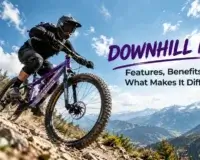
A downhill mountain bike is designed for steep, fast, and technical descents. These bikes usually have strong frames, powerful brakes, wide tyres, and long-travel suspension. They are built for aggressive riding rather than everyday cycling.
For most beginners, a downhill mountain bike is not the best first choice. Downhill bikes are heavier, more expensive, and not ideal for flat paths or climbing hills. They are made for specific downhill routes, bike parks, and advanced riders.
If you are just starting out, choose a hardtail mountain bike or a beginner-friendly trail bike first. Once you gain experience and know you enjoy steep technical riding, you can consider a downhill MTB or enduro bike.
Are Cheap Mountain Bikes Worth Buying?
Cheap mountain bikes can be worth buying if you choose carefully. A beginner does not always need a premium bike. A well-chosen budget MTB can be perfect for learning, fitness, light trails, and weekend rides.
However, the cheapest bike is not always the best value. When looking at cheap mountain bikes, check the important features first. A strong frame, reliable brakes, suitable gears, and a comfortable riding position are more important than flashy styling.
A good low-priced mountain bike should have:
- A durable frame for everyday use and light trails
- A comfortable saddle for longer rides
- Reliable brakes for safer stopping
- Suitable wheel size for your height and riding style
- Grippy tyres for better control on mixed terrain
- Working suspension for comfort on rough ground
- Smooth gear changes for hills and trail riding
If you are buying online, always read the specification carefully. Start with the frame size, wheel size, brake type, suspension type, and recommended rider height. This helps you match the bike to your needs and avoid buying one that does not fit.
Is a 26-Inch Mountain Bike Good for Beginners?
A 26-inch mountain bike can still be a good option for some beginners. It is often easy to handle, responsive, and suitable for casual off-road riding. Many riders like 26-inch mountain bikes because they feel agile and simple to control.
A 26-inch mountain bike may suit:
- Shorter adults who want easier control
- Teenagers moving into larger bikes
- Casual riders using parks and paths
- Beginners on a budget looking for value
- Riders who want easy handling on simple routes
- Light trail and park use without extreme terrain
However, many modern mountain bikes now use 27.5-inch or 29-inch wheels. Larger wheels can roll more smoothly over bumps and obstacles. A 29-inch mountain bike can feel faster and more stable, while a 27.5-inch bike offers a balance of control and speed.
For beginners, the best wheel size depends on your height, comfort, and riding style. Start with fit, then compare wheel size. Do not choose based on wheel size alone.
Mountain Bike Frame Size: Why It Matters
Choosing the right frame size is one of the most important parts of buying a beginner mountain bike. A bike that is too big can feel difficult to control. A bike that is too small can feel cramped and uncomfortable.
The correct size helps you ride safely and confidently. You should be able to stand over the bike comfortably and reach the handlebars without stretching too much. Your knees should not feel cramped when pedalling.
When checking size, consider:
- Your height and overall riding position
- Inside leg measurement for stand-over comfort
- Frame size for control and confidence
- Wheel size for handling and stability
- Riding position for comfort on longer rides
- Saddle height for efficient pedalling
- Handlebar reach so you do not feel overstretched
If you are between sizes, beginners often feel more confident in the slightly smaller option because it is easier to control. However, comfort should always be the priority.
Brakes: Disc Brakes vs V-Brakes
Brakes are very important on any mountain bike. Good brakes help you control speed, ride downhill safely, and stop quickly when needed.
Many mountain bikes now come with disc brakes. Disc brakes usually offer better stopping power, especially in wet or muddy conditions. They are a strong choice for trail riding and off-road cycling.
Some cheap mountain bikes may use V-brakes. V-brakes can still work well for casual riding, but they may not perform as well in mud, rain, or on rough trails.
For beginners, disc brakes are recommended if your budget allows. They give better control and confidence, especially if you plan to ride off-road regularly.
Gears: How Many Do Beginners Need?
Mountain bike gears help you ride uphill, pedal on flat ground, and control your speed. Beginners do not need the most advanced gear system, but they do need a bike with enough range for hills and trails.
A good beginner mountain bike should have gears that shift smoothly and give you easier options for climbing. Lower gears are useful for hills, while higher gears help you ride faster on flat sections.
Do not worry too much about the exact number of gears. Instead, focus on whether the bike feels easy to pedal and whether the gear system is reliable.
Mountain Bike Tyres: Grip and Comfort
Mountain bike tyres make a big difference to how a bike feels. Wider tyres provide more grip and comfort on rough surfaces. They also help the bike feel stable, which is useful for beginners.
For light trails, gravel paths, and general off-road cycling, look for tyres with good tread. The tread helps the bike grip loose ground, mud, and uneven surfaces.
If you ride mainly on roads and smooth paths, very aggressive tyres may feel slower. If you ride mostly off-road, grippier tyres are better. The right choice depends on where you plan to ride most often.
Essential Mountain Bike Accessories for Beginners
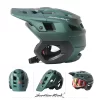
When buying your first MTB, do not forget basic accessories. A good mountain bike helmet should be your first priority. It protects your head and gives confidence while riding.
Useful beginner MTB accessories include:
- Mountain bike helmet for essential protection
- Bike lock to keep your bike secure
- Front and rear lights for visibility
- Bottle cage for hydration on longer rides
- Puncture repair kit for roadside fixes
- Mini pump for tyre pressure problems
- Spare inner tube for emergencies
- Mountain bike mudguards for wet and muddy routes
- Comfortable gloves for grip and hand comfort
- Basic bike tool kit for simple adjustments
You may also want to upgrade the pedals on a mountain bike if the standard ones feel slippery or uncomfortable. Good pedals improve grip and control, especially on trails.
Men’s, Women’s and Ladies MTB Bikes
Some mountain bikes are sold as men’s mountain bikes, women’s mountain bikes, or ladies MTB bikes. The main differences are usually frame shape, size range, saddle style, and riding position.
However, the best mountain bike is the one that fits your body and feels comfortable. Women can ride unisex or men’s bikes if the size and shape feel right. Men can also choose any bike that fits properly.
When choosing a beginner MTB, focus on fit, comfort, control, and confidence rather than the label alone.
What Type of Riding Will You Do?
Before buying a mountain bike, think about where you will ride most often. This will help you choose the right bike.
If you ride mostly on parks, gravel paths, and smooth trails, a hardtail mountain bike is likely the best choice. If you want to ride rougher terrain, a full suspension mountain bike may be better. If you want an all-round option, a trail bike is a strong choice.
For casual cycling and weekend rides, you do not need an extreme downhill mountain bike. For fitness and beginner trail riding, choose something practical, comfortable, and reliable.
Beginner Mountain Bike Buying Checklist
Before buying your first mountain bike, check the following:
- Frame size: Is the bike the right size for your height?
- Wheel size: Does it suit your height and riding style?
- Suspension type: Is it a hardtail or full suspension mountain bike?
- Brakes: Are the brakes reliable and easy to control?
- Tyres: Do the tyres have enough grip for your routes?
- Saddle comfort: Does the bike feel comfortable to sit on?
- Gears: Are the gears suitable for hills and trails?
- Riding location: Is the bike suitable for where you will ride?
- Budget: Does it offer good value for your money?
- Maintenance: Can you maintain it easily?
A beginner mountain bike should make you want to ride more often. If the bike feels comfortable and confidence-building, it is likely a good choice.
Conclusion
For most beginners, the best mountain bike is a hardtail trail bike with front suspension, reliable brakes, grippy tyres, and a comfortable frame size. It offers the best balance of price, performance, comfort, and maintenance.
If you have a higher budget and plan to ride rougher trails, a full suspension mountain bike can be a good investment. If you want a budget-friendly option, cheap mountain bikes can work well as long as you choose carefully and check the specifications.
The best mountain bikes for beginners are not always the most expensive. The right MTB is the one that fits your body, suits your riding style, and gives you confidence every time you ride.
Whether you are looking for mountain bikes for sale, a hardtail mountain bike, a full suspension mountain bike, a 26-inch mountain bike, or a low-priced mountain bike for your first off-road adventure, take your time to compare your options. A good beginner mountain bike can help you enjoy cycling, explore new routes, and build confidence on every ride.
FAQs
What is the best mountain bike for beginners?
The best mountain bike for beginners is usually a hardtail mountain bike with front suspension, reliable brakes, grippy tyres, and the correct frame size. A hardtail is simple, affordable, easy to maintain, and ideal for light trails, gravel paths, parks, and everyday cycling.
Is a hardtail mountain bike good for beginners?
Yes, a hardtail mountain bike is a great choice for beginners. It has front suspension for comfort, but no rear suspension, which makes it lighter, easier to maintain, and usually more affordable than a full suspension mountain bike.
Do beginners need a full suspension mountain bike?
Most beginners do not need a full suspension mountain bike unless they plan to ride rough trails, rocky routes, or technical downhill sections. For light trails and general off-road cycling, a hardtail mountain bike is usually enough.
Are cheap mountain bikes worth buying?
Yes, cheap mountain bikes can be worth buying if they have a strong frame, reliable brakes, suitable gears, good tyres, and the right frame size. A low-priced mountain bike can be a smart option for beginners, but it should still be safe, comfortable, and suitable for your riding style.
Is a 26-inch mountain bike good for beginners?
A 26-inch mountain bike can be good for beginners, especially shorter adults, teenagers, casual riders, and people who want easy handling. However, many modern mountain bikes also come with 27.5-inch or 29-inch wheels, so it is important to choose based on comfort, height, and riding style.
What should I check before buying my first mountain bike?
Before buying your first mountain bike, check the frame size, wheel size, suspension type, brakes, gears, tyre grip, saddle comfort, and overall build quality. The right beginner mountain bike should match your height, budget, riding location, and confidence level.
Where can I find mountain bikes for sale?
You can find mountain bikes for sale at trusted bike shops and online cycling stores. Before buying, compare the bike type, frame size, suspension, brakes, tyres, wheel size, price, and customer support to make sure you choose the right MTB for your needs.